
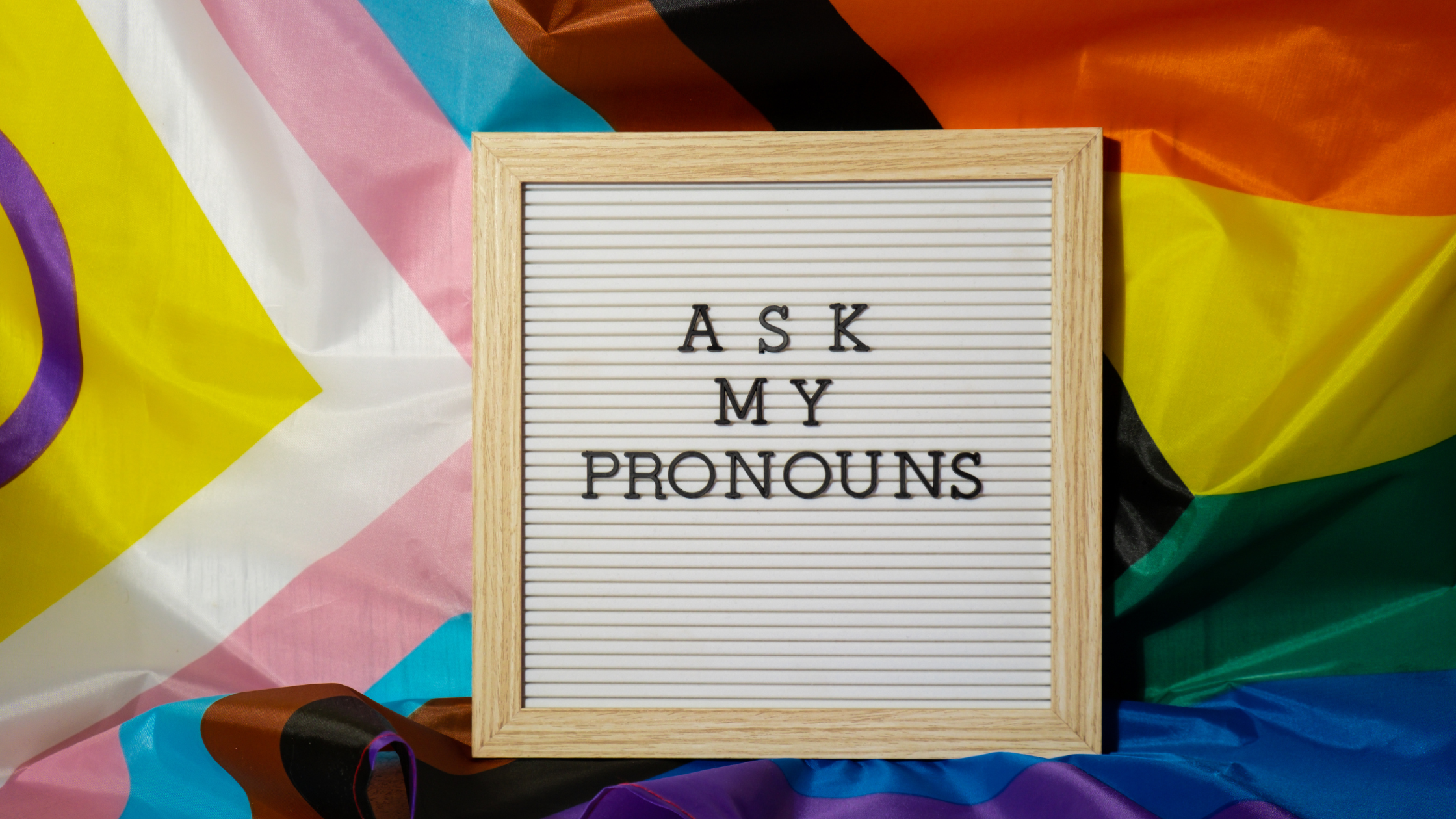
Market Research is all about representation – we are looking for the right people for the right criteria to represent the views of the right audience. How could it be anything but? Research, at its core, should be inclusive. It’s how we get the best insight, gather the most understanding, collect the most important data, and ultimately the best way to learn. However, the more we learn, the more we are coming to realise that we can often forget to give a seat at the table to those who need it.
In (what should be) a progressive society, where every day we are growing and learning, gathering insights and widening our understandings, the excuses for our exclusions are starting to run dry.
We’re all familiar with the term ‘hard to reach groups’. There is an increasing thought however, that these groups are not so much ‘hard to reach’ as they are ‘easy to ignore’. It is easy to say ‘well they don’t come forward’, but this is only half of the process.
One example of a ‘hard to reach group’, is the transgender community. Making up only 0.54% of the 16+ UK population (according to the 2021 census), they make up a seemingly miniscule number of the British population. Of course there are no transgender people in your project’s data pool, there are so few of them!
Statistics can be deceiving. 0.54% of the UK’s population actually translates to 262,000 transgender people – all 16 and above, meaning all eligible to participate in almost all research projects. If transgender people are hard to reach, despite over a quarter of a million trans people making up the UK populace, we must instead ask ourselves what WE are doing wrong, for us to struggle to find trans people who are willing to participate.
The good news is, there are some very easy steps we can take. The first being the most simple of all – using the correct names and pronouns.
The subject of pronouns has overwhelmed the conversation surrounding trans people. This is not, and never has been, the crux of the issue with the fight for trans equality. However, it is worth considering that this is how we lose people at the first hurdle. It takes very little thought to refer to people how they wish to be referred to. We easily accept when people prefer a nickname to their legal name, or vice versa. We hardly even think about it. So why is it so difficult now?
Being thoughtful about people’s pronouns is the earliest sign of safety you can give to a transgender person. It is the immediate signal that they are entering a space where they will be treated with dignity and respect. It is only a small thing, using the appropriate he/she/they/etc. We were all taught how to use a person’s name and pronouns while we were in the single digit ages. It is not a new or novel concept. But as the first thing that occurs in your encounter with somebody, this sets the tone for the rest of the interaction, as well as the likelihood of future interactions taking place.
In a world where trans people must look around the corner of every room they enter, checking for danger and seeking safety, the very least we can do as an industry is show up for them with respect. Trans people have voices to be heard, opinions to be shared, on a million different subjects that we can research. Any project you have, there will be a trans person out there who fits the bill. If they are hard to reach, then is it up to us to show that we are a safe place to reach out to. They should WANT to come to us.
It's a small thing, but so incredibly vital – and so incredibly simple. There are thousands of transgender people we can learn from, just like everybody else. It should be our mission to break down the barriers between our industry and those ‘hard to reach’ groups, especially in ways that cost nothing. It takes nothing to be respectful, but to a trans person looking for inclusion, the payoff could be priceless.
Written by Alec Fuller (they/them,) Recruitment Specialist at Research Opinions part of the Fuller Research Group



Written by Lydia Fuller, COO at Acumen Fieldwork. Over the past couple of years, I’ve […]
READ MORE
As we’re winding down and looking forward to vegging on the sofa with the Quality […]
READ MORE
Screeners are integral to ensuring participants are recruited correctly, and they’re also one of the […]
READ MORE