
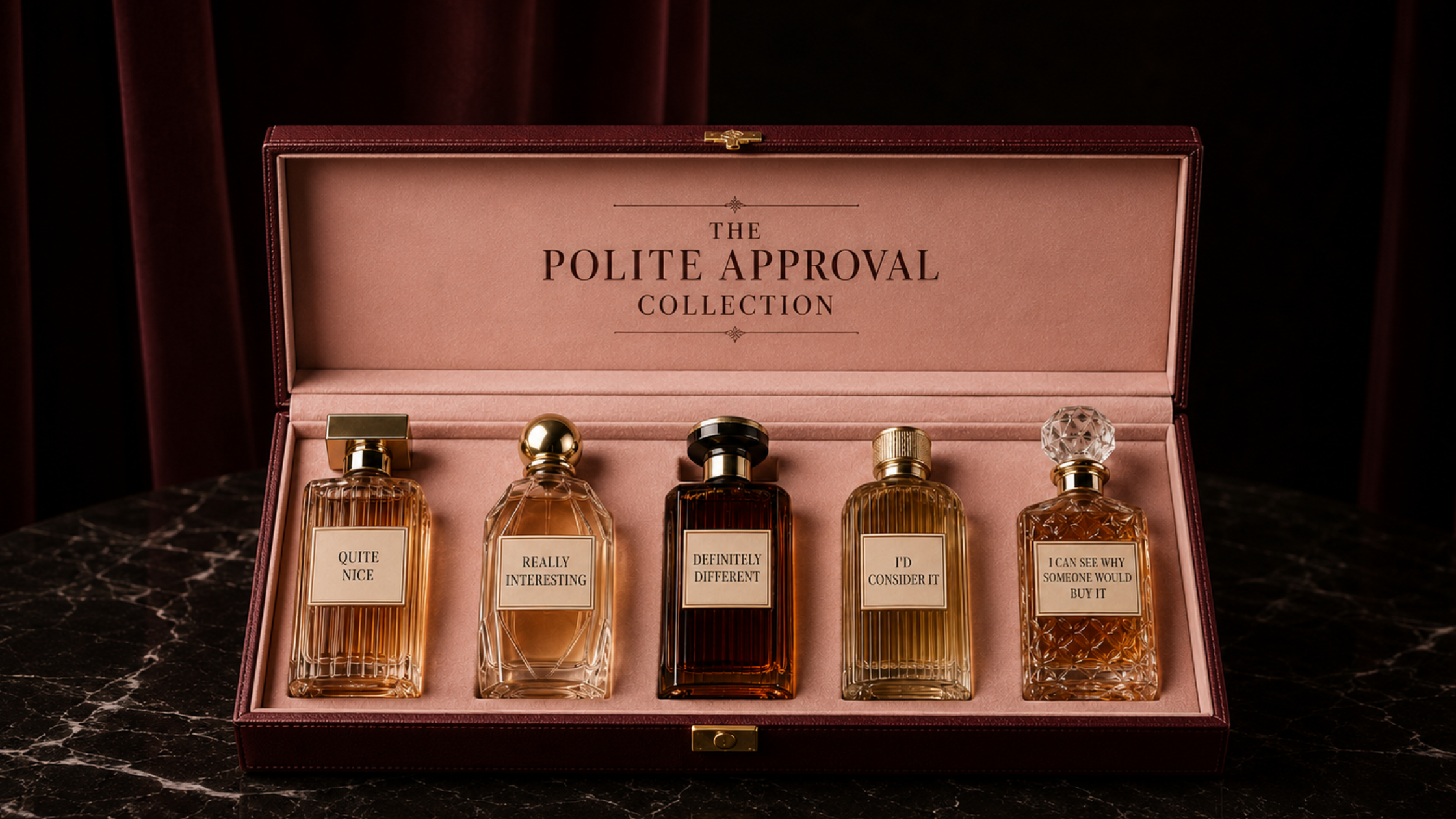
“They liked it.”
Excellent. Put the champagne on ice, alert the retailers and prepare the warehouse.
Except, unfortunately, likes are not legal tender.
Someone can find a product interesting, appreciate its packaging and agree that it is a good idea without ever intending to spend money on it. They may even genuinely believe they would buy it, right up until they are faced with the price, their usual brand and the inconvenience of trying something unfamiliar.
That is why purchase intent research needs to explore considerably more than whether people respond positively to an idea.
The difference between “quite nice” and “add to basket” can be an expensive one.
Purchase intent research explores how likely consumers are to buy a product or service, together with the reasons, circumstances and barriers influencing that decision.
It is often used during concept testing, product development, pricing research and demand assessment. Depending on the stage of development, participants might be shown a written proposition, product mock-up, packaging design, prototype or finished product.
A purchase intent survey may ask respondents how likely they are to buy the product within a particular period. Qualitative research can then explore what sits behind that answer: what the product would replace, when it might be used, how it compares with alternatives and what could prevent the purchase.
Purchase intention is useful information. It simply should not be mistaken for a guaranteed sale.
Research by Morwitz, Steckel and Gupta found that the relationship between stated intentions and purchasing varies according to factors including the type of product, how far into the future the purchase might happen and how specifically the question is asked. Their analysis found that intentions were more closely related to behaviour for existing products than new ones, and for shorter rather than longer timeframes. Columbia Business School summarises the research here.
In other words, context matters. Rather a lot.
It is easy to like a product when no money has to change hands.
The decision becomes more realistic once the price is introduced. Consumers begin comparing the proposed product with familiar alternatives and considering whether its benefits justify the cost.
“I like it” may therefore mean “I have no immediate objection to it”, rather than “I would choose this over something I already know and trust”.
That distinction is unlikely to make it onto the celebratory slide, but it is considerably more useful.
A concept shown in isolation receives the participant’s full attention. In real life, it must compete with other products, established habits, promotions, budgets and a shopper who may be thinking about what to have for tea.
Research into two dairy snack products found that purchase-intention ratings were associated with subsequent purchasing, but the strength of that relationship depended on how the product was presented and whether participants had tasted it. The study examined both packaging-led expectations and the experience of trying the product, demonstrating why the conditions surrounding an intention measure matter. The study is published in Food Quality and Preference.
Purchase intent research should therefore recreate the decision context as realistically as the project allows.
Ask, “Do you like this idea?” and participants will tell you whether they like it.
That answer does not automatically reveal:
General approval is one measure. It should not be expected to do the work of seven.
Someone may intend to purchase but find that the product is unavailable, difficult to use, too expensive at that moment or less appealing than another option.
The Theory of Planned Behaviour distinguishes intention from the level of control somebody has over performing the behaviour. Attitudes and intentions matter, but practical constraints can still prevent action. Professor Icek Ajzen’s guidance specifically discusses this intention–behaviour gap and the role of perceived and actual control. Read the academic overview.
For brands, this means the barrier may not be the product itself. Distribution, accessibility, timing, price or the buying experience may all interfere between positive intent and completed purchase.
There is no single question that can predict the future perfectly. Strong purchase intent research combines different measures and considers how closely the research resembles the real decision.
The results are only useful if the participants could credibly buy the product.
A broad sample may be appropriate during early exploration, but more developed concepts often require tighter audience criteria. Current category behaviour, purchasing responsibility, frequency, brand usage and life circumstances may all affect whether somebody is genuinely relevant.
Recruitment should therefore reflect the intended market without becoming so narrow that the research relies on a mythical consumer who meets 19 separate criteria and is free next Tuesday.
Concept materials should give participants enough information to make an informed judgement. They should not read like an advertising campaign assembled to make disagreement feel unreasonable.
Present the core proposition, benefits, format and relevant supporting information consistently. If one concept needs three paragraphs of explanation while another makes immediate sense, that difference is itself useful evidence.
Purchase intent without a price can exaggerate enthusiasm because the participant is assessing desirability without making a trade-off.
Testing a realistic price helps distinguish general interest from perceived value. It also allows researchers to explore what participants would expect to receive for that amount and which alternatives they would consider.
Products are not chosen in isolation. Showing relevant alternatives, asking what the concept would replace or exploring the participant’s most recent category purchase can produce a more grounded response.
Questions might include:
The aim is not to interrogate enthusiasm until it disappears. It is to understand whether that enthusiasm can survive contact with reality.
Quantitative purchase intent research can measure the proportion of an audience expressing different levels of interest and compare responses between concepts, segments or price points.
Qualitative research helps explain why those differences exist. It can uncover misunderstandings, emotional reactions, category habits and barriers that are difficult to capture through a rating alone.
Neither approach is automatically superior. The right method depends on the decision the research needs to support.
Purchase intent research can help teams:
It cannot guarantee sales or reproduce every influence operating in the real market.
Competitive activity can change. Distribution may vary. Economic conditions shift. A consumer who fully intended to buy your product may arrive at the supermarket and discover that their usual brand is half price.
The objective is not certainty. It is a better-informed decision and a clearer understanding of the assumptions carrying the most risk.
The quality of purchase intent research depends partly on the questions and stimulus, but it also depends on speaking to the right people.
Relevant participants bring genuine category experience, realistic comparisons and a meaningful understanding of the purchase. Engaged participants are also more likely to explain their hesitations rather than offering the quickest agreeable answer available.
Acumen Fieldwork supports research teams with consumer recruitment and fieldwork delivery across qualitative and quantitative studies. From broad consumer audiences to tightly defined customer groups, we help put the right people behind the answers.
Because “I can see why someone would buy it” is certainly feedback.
It just may not be the feedback you were hoping for.



Online fraud is changing quickly. As artificial intelligence, deepfakes and increasingly sophisticated scams reshape the […]
READ MORE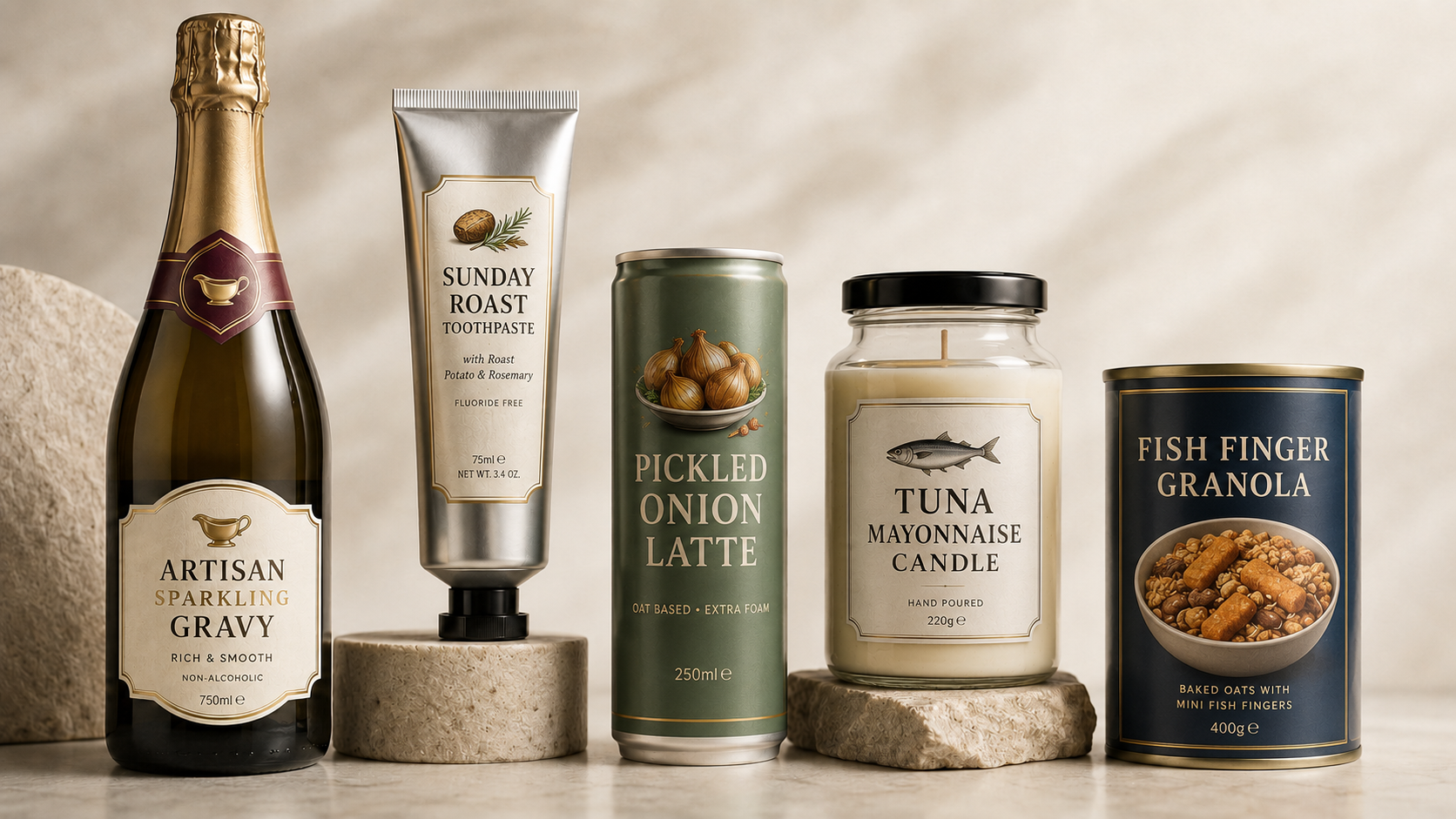
Artisan Sparkling Gravy. Rich, comforting and lightly carbonated. It looks premium. The packaging is beautiful. […]
READ MORE
At the start of a research project, representation can look quite simple. A sample spec […]
READ MORE